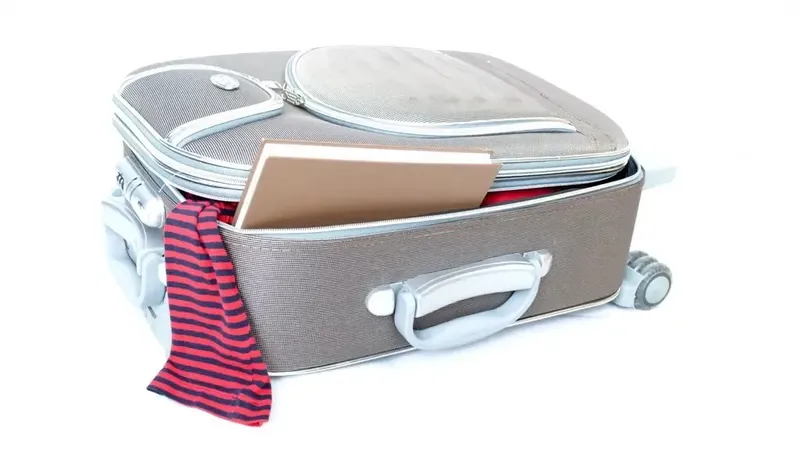
A student going to Korea for the first time usually makes one of two mistakes: they pack far too much, or they forget an important document. This article explains what to put in your suitcase, what is easier to buy in Korea and what to check before you leave. The list is general, and you can adapt it to your university and your type of housing.
Documents and copies
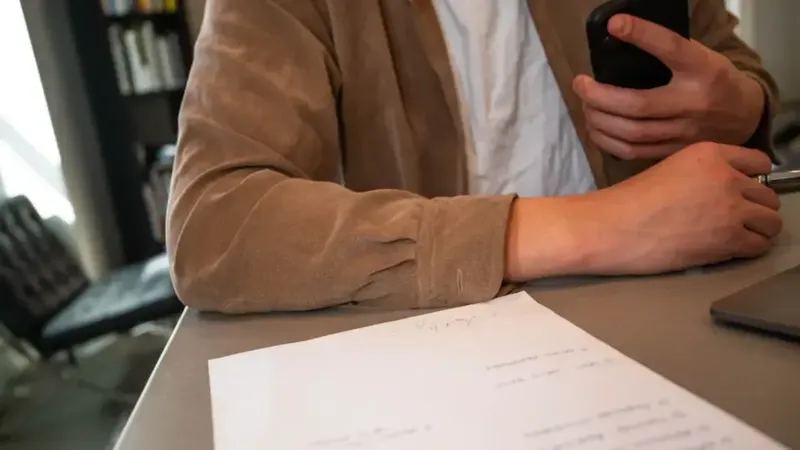
Documents come first. Your passport should remain valid for several months and should not expire before your visa does. Keep the originals in a separate folder and keep copies somewhere else, for example on your phone and in your email.
The main papers include your passport, the admission letter, your visa, your diploma and transcript with an apostille and translation, language certificates, photos and bank statements. For more on getting an apostille for your diploma, read our article on apostilles and translation.
Bring several copies of each document. Some offices in Korea may ask for both the original and a copy at the same time, so extra copies are not wasted.
Medicine and medical papers
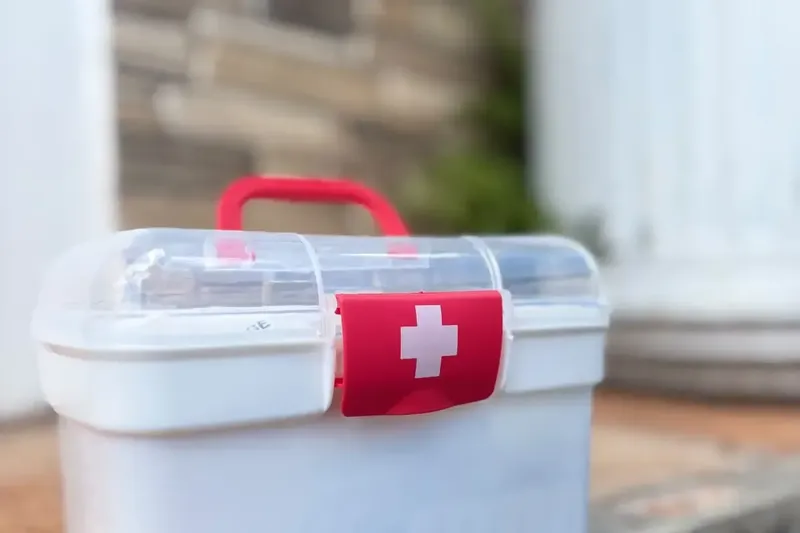
If you take regular medication, bring it with the prescription and a letter from your doctor. The letter should give the name of the medicine, the dose and the reason for it. An English or Korean version is best. Keep medicines in their original packaging.
Rules on bringing medicine depend on the type of product. Before you carry a large amount, check the requirements with the Korean embassy or with customs. A small supply of ordinary cold remedies is fine to bring, but Korea has pharmacies and you can buy many things there.
Health insurance matters too. Before your first visit to a clinic, find out what your insurance covers, because some services may not be fully paid.
Clothes and seasons
Korea has clearly separated seasons. Winters are cold, while summers are hot and humid. Rather than packing everything at once, choose layers: a jumper, a light jacket and some warm clothes. For the transitional season, bring what you need straight away, and buy a winter coat once you are there.
Shoes matter as well. You will walk a lot, so bring comfortable shoes with soft soles. A small tip: take a little more underwear and socks than you think, because in the first weeks there may not be much time for laundry.
Electronics and voltage
There is good news here. According to the Korea Tourism Organization, the standard supply in Korea is 220 volts at 60 Hz, and sockets have two round holes. Uzbekistan also uses 220 volts and the same kind of plug, so phones, laptops and chargers usually need no adapter. The only difference is the frequency: 50 Hz in Uzbekistan.
Most chargers and laptop power supplies are labelled "100–240V, 50/60Hz" and work in Korea without any problem. Appliances with a motor or a timer, such as hair dryers, electric clocks and some kitchen devices, may behave differently at 60 Hz. Check the label of each device separately rather than guessing. Devices with a different plug type will need an adapter.
Find out in advance whether your phone works with other operators' SIM cards. Buying a Korean SIM card sometimes requires registration documents, so plan your communication for the first few days.
Money and banking
Bring enough cash for the first few weeks and an international card. Opening a Korean bank account often needs your alien registration card, which takes time to arrange, so calculate your first costs in advance.
The official Study in Korea guidebook, published by NIIED in December 2023, estimates monthly costs at about 750,000 to 1,000,000 won. This is useful for general planning, but prices may have risen since then and every student spends differently. For more, see the cost of living in Korea. The best approach is to make a budget for the first month and then adjust it to your life.
Religious and everyday needs
If you need religious items, such as a prayer mat, bring them with you. Many things can be found in Korean cities, but some products can be hard to find. The same applies to spices and familiar foods, so a small supply helps in the first weeks.
Personal care products such as toothpaste, soap and shampoo are sold in Korea too, but it is better to bring your usual brand for the first few weeks. Keep a toothbrush, medicine, a charger and a change of clothes in your hand luggage for the first day.
You do not need to bring food. Shops stock many products, but check the ingredients and certification yourself if halal status matters to you.
What is better to leave behind
Before you pack something, ask yourself whether you could buy it in Korea more cheaply and quickly. If so, leave it at home or buy it there. This saves space and money and means less to carry through the airport.
Extra things make your luggage heavier and take up space in your room. Korea has many affordable, good-quality goods, so there is no need to bring furniture, large appliances or big supplies of food. Check the size of your room or dormitory before you pack.
Once the suitcase is packed, weigh it and check your hand luggage separately. A heavy bag is hard to carry up stairs and on the metro, so think about weight and size in advance. If you are unsure whether you need something, leave it at home and buy it in Korea if necessary.
Common mistakes
- Not checking how long your passport remains valid.
- Keeping original documents together with other things in one bag.
- Forgetting a doctor's letter for medicine.
- Bringing an appliance without checking the voltage and frequency (V, Hz) on its label.
- Packing only for summer weather.
The main packing rule is simple: documents and medicine first, everything else after. If you are not sure what you personally need, K-Study can help you put together a list in a free consultation, based on your university and your housing.