For Muslim students, food becomes an important question from the first days in Korea. Korean cooking uses many meat-based and fish-based sauces, and dishes are often cooked in shared pans. So finding halal food in Korea takes attention. Once you know how to look, it is not difficult.
Halal food in Korea: how to read the labels
The Korea Tourism Organization (KTO) puts restaurants for Muslim visitors into four categories. The definitions on its official page are:
- Halal Certified: the restaurant is certified by an accredited halal certification agency, such as the Korea Muslim Federation (KMF).
- Self-certified: all food is halal, and the halal status is confirmed by the Muslim restaurant owner.
- Muslim Friendly: some halal dishes are provided, and alcohol may be sold.
- Pork free: there is no halal menu, but no pork is used, and alcohol may be sold.
These categories are not the same. The most reliable option is the first one. A "Pork free" restaurant uses no pork, but nobody guarantees that the meat was slaughtered according to halal rules. Check each restaurant's category before you go.
Choosing a restaurant and what to ask
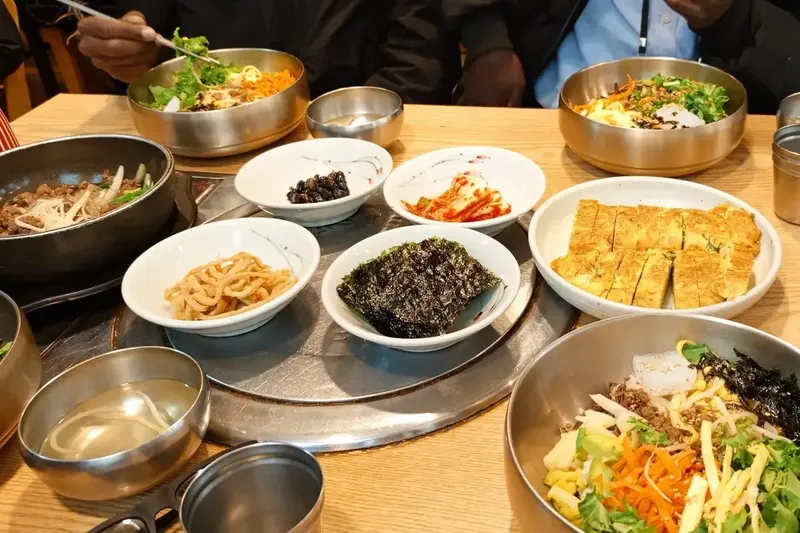
Before you order, ask whether the dish contains pork or pork fat, whether the sauce contains alcohol and where the meat comes from. If you do not speak Korean, write the questions on your phone and show them.
Watch out for hidden ingredients too. Soup stock (in Korean "육수") may be made from beef or pork bones. Some sauces and marinades contain cooking wine. Sweets and jellies may contain gelatine. Even if the main dish is vegetables, do not hesitate to ask.
The KTO page lists restaurants for Muslim visitors. The list changes over time, so before you go check that the restaurant is still open and its category has not changed.
Useful phrases in Korean
- "돼지고기 들어가요?" (dwaejigogi deureogayo): "Does this contain pork?"
- "술이나 맛술 들어가요?" (sul-ina matsul deureogayo): "Does this contain alcohol or cooking wine?"
- "고기 빼 주세요" (gogi ppae juseyo): "Without meat, please."
- "할랄 인증 있어요?" (halal injeung isseoyo): "Do you have halal certification?"
Seoul Central Mosque and prayer places
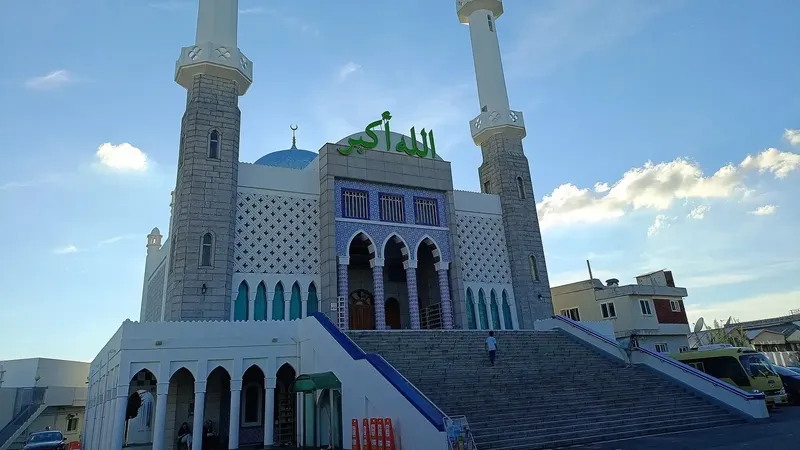
According to Seoul's official tourism website, Seoul Central Mosque is the first mosque in Korea and opened on 21 May 1976. It stands in Hannam-dong, Yongsan-gu, in the Itaewon area. The nearest subway station is Itaewon on Line 6. Around the mosque there are halal restaurants, a halal butcher, a halal supermarket and an Islamic bookshop.
Revealing clothing and smoking are not allowed inside the mosque. Prayer times change with the time of sunrise, so check the monthly schedule on the mosque's website.
KTO encourages local governments and tourist attractions to prepare spaces for prayer. It has distributed prayer mats and qibla compasses to hotels that have prayer rooms. Ask your university's international student office whether there is a prayer room on campus.
Ramadan
Ramadan falls on different dates every year, so plan it in advance using a calendar. During fasting, meal times and daily routines change: look at your class and exam timetable early. Some halal restaurants prepare special meals for iftar, but ask in advance. Also check the opening hours of the university canteen: it may be closed at iftar and suhoor time. Keep a simple supply of food in your room and prepare for long exams early.
Cooking in the dormitory
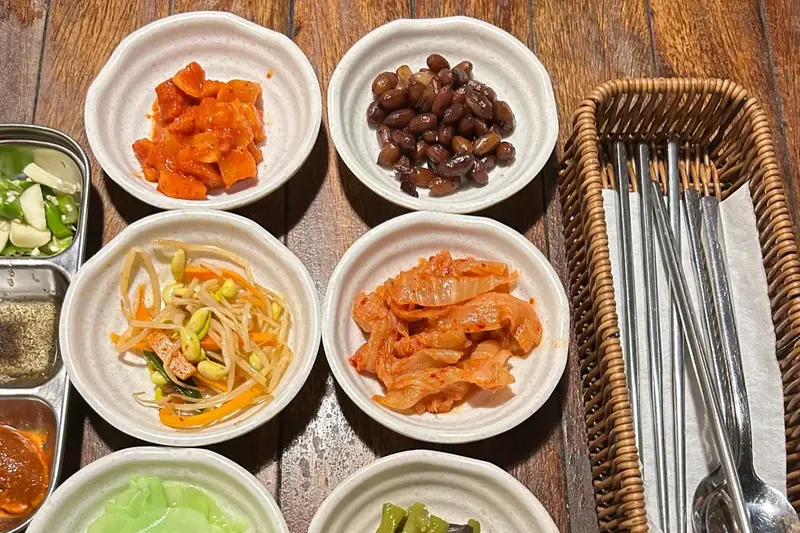
If the dormitory has a kitchen, cooking halal food is much easier. Shops sell chicken, vegetables, rice and products with halal marks. Make a habit of reading the ingredients of sauces and canned food: they may contain meat extract or alcohol.
If the kitchen is shared, agree on the rules with your flatmates in advance. Keep your own pan, knife and board, and reheat food in your own dishes. There is nothing awkward about explaining this: most students understand.
Halal meat and groceries
In Seoul you can find halal meat and groceries in the shops around the mosque in Itaewon. When a package has a halal mark, check which organisation issued it. If you study in another city, ask the local Muslim community or Muslim students at your university where the nearest halal shops are.
Community and friendship
Muslim student communities exist in Korea, and you can usually find them through university clubs or the international student centre. Making friends in a new city can be hard, so look for these groups in your first weeks. Contact with students from Uzbekistan also gives moral support.
Preparation checklist
- Before you leave, save a list of halal restaurants and mosques on your phone.
- Write down the Korean phrases above.
- Pack a prayer mat and a qibla compass if you need them.
- In the first week, ask about the university's prayer room and student services.
- Look at the Ramadan calendar in advance and compare it with your exam timetable.
Class timetables and prayer
Prayer times do not always fit a timetable, so plan breaks between classes in advance. If a class runs long and you need a short break, discuss it beforehand with the teacher or course coordinator. Raise any clashes with the exam timetable with the department early.
University events
When food is served at an event, ask the organisers what it contains. Sauces and meat dishes may contain pork or alcohol. If asking feels uncomfortable, bring your own food: it is both sensible and polite.
Travel and other cities
Before a trip, check restaurant opening hours and closing days. Carry a light snack so you do not go hungry where the choice is limited. To find a mosque or prayer room, use the city's official tourist information and your university's services.
Talking with your family
Discuss food and daily prayer with your parents before you leave. It reduces the family's worries. For religious questions, it helps to consult trusted teachers or the community of Uzbek students.
Common mistakes
- Seeing the word "Halal" and not checking the restaurant's category and certificate.
- Asking only about the main dish and forgetting the sauce and the stock.
- Mixing up cookware in a shared kitchen.
- Scheduling classes and events back to back without time for prayer.
With some preparation, living in Korea as a Muslim is not difficult. If you have questions about a city or university, book a free consultation with K-Study. We will help you choose a suitable city and university. Leave a request with the button below.